
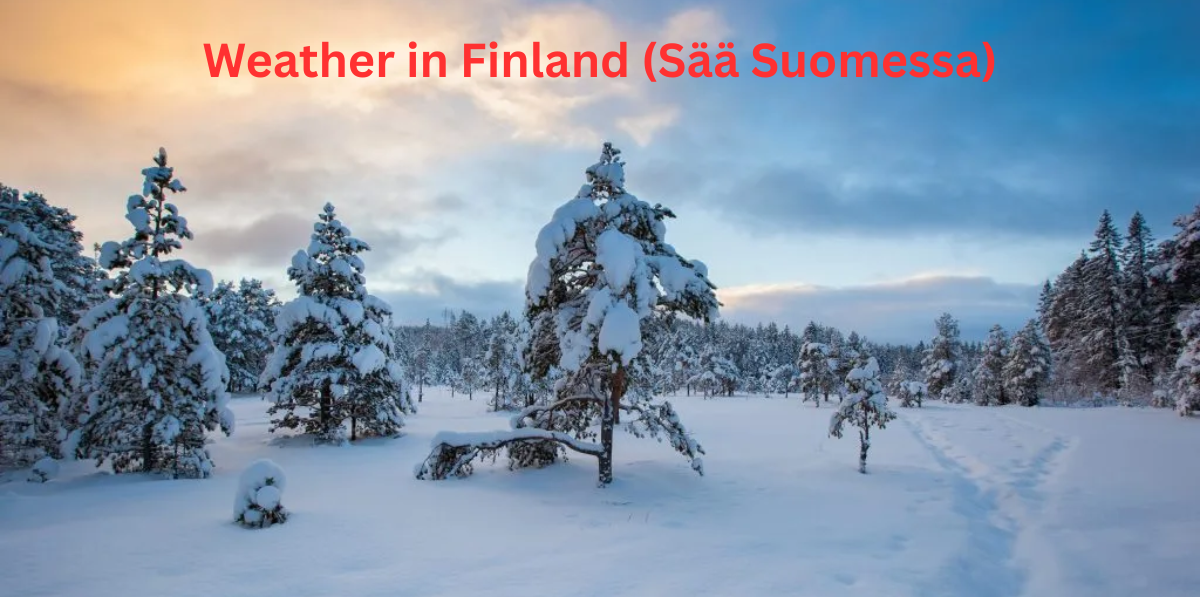
The weather in Finland can surprise newcomers with its dramatic seasonal shifts, ranging from polar-style winters to luminous summer nights. Understanding the month-by-month variations is essential for preparing your wardrobe, planning travel, and adjusting to everyday life. This guide breaks down each month so you’ll always know what to expect—whether you’re moving to Finland, studying abroad, or visiting long-term.
January – Deep Winter and Polar Nights
January is Finland’s coldest month. Temperatures often fall between –5°C and –25°C, especially in Lapland. Days are short, and northern regions experience the mystical kaamos, or polar night. Heavy snow is common, so invest in thermal clothing, waterproof boots, and reflective accessories (mandatory in many areas).
Tip: Public transport remains reliable despite the cold, but allow extra travel time due to snowfall.
February – Bright Snow and Rising Light
February remains frosty, but daylight increases quickly. With temperatures similar to January, the landscape is bright and snowy—perfect for winter sports. Conditions stay stable, but icy sidewalks require caution.
Good to know: Finland celebrates Laskiainen, a sledding and food tradition featuring pea soup and sweet buns.
March – Transition Toward Spring
March marks early spring, though winter still dominates. Temperatures sit between –10°C and +3°C. Snow begins melting in southern Finland, while the north remains wintry. Longer, sunny days make this a beautiful month, but slushy roads are common.
April – Unpredictable Spring
April can feel like a weather roller coaster. Expect rain, wet snow, sunshine, and occasional freezing nights. Temps range from 0°C to +10°C. Streets thaw and refreeze, so waterproof shoes are essential.
Tip: This is when people start switching to lighter jackets, but layers are still key.
May – True Spring Arrives
By May, Finland finally warms up. Temperatures often reach +10°C to +20°C, and nature comes alive. This month brings long daylight hours, especially in the north, where nights begin to fade.
Bonus: May is popular for picnics and outdoor cafés.
June – Early Summer and the Midnight Sun
June introduces early summer warmth. Temps reach +15°C to +25°C, and sunlight stretches past midnight in northern regions. The Midnight Sun becomes a highlight for newcomers, though it can disrupt sleep—blackout curtains help!
This is also Finland’s peak mosquito season, especially near lakes and forests.
July – Warmest Month of the Year
July is typically Finland’s warmest month, with spells of +20°C to +30°C. Lakes become swimmable, festivals take over the country, and locals flock outdoors.
However, brief thunderstorms and heavy rains can occur due to humidity.
Internal link: For practical tips on life in Finland, check the lifestyle guides at Ohjekeskus.
August – Late Summer with Cooler Nights
August stays warm but hints at autumn. Temperatures range +15°C to +25°C, dropping at night. Forests become ideal for berry and mushroom picking. Rain increases as the month progresses.
September – Beginning of Autumn
September introduces cooler breezes and early fall colors. Expect temps around +5°C to +15°C. Days shorten noticeably, and mornings become chilly. A waterproof jacket becomes a daily essential.
October – Colorful but Rainy
October is unmistakably autumn. Temps drop to 0°C to +10°C. Rich fall foliage transforms the landscape, but rainfall becomes frequent. Occasionally, the first snowfall appears.
Tip: Switch to warmer shoes and add a hat or gloves by late October.
November – Dark, Cold, and First Snow
November is Finland’s darkest month as winter sets in. Temperatures hover between –5°C and +5°C, often cloudy and damp. Snow begins accumulating in many regions, though it may melt repeatedly.
This is when many newcomers feel the challenge of limited daylight—light therapy lamps can help.
December – Winter Returns Fully
December brings the festive winter atmosphere Finland is known for. Snowy landscapes and temperatures ranging –5°C to –20°C define the month. Days remain short, but holiday lights brighten city centers.
Holiday highlight: Christmas markets, warm pastries, and candle-lit traditions
How to Prepare for Finland’s Weather Year-Round
1. Invest in Layering Clothing
The weather in Finland changes quickly. Layers help you adapt easily indoors and outdoors.
2. Get Quality Winter Gear
A warm parka, wool base layers, insulated boots, and reflective accessories are must-haves.
3. Prepare for Limited Daylight
Especially from November to February, daylight is scarce—plan outdoor activities earlier in the day.
4. Enjoy Each Season
Finland’s seasonal variety offers unique experiences—from skiing in Lapland to swimming in natural lakes.
Conclusion
Understanding the weather in Finland helps newcomers adapt confidently to daily life. With clear seasonal changes, varying daylight, and temperatures shifting month by month, preparation is key. Whether you’re embracing a snowy winter or enjoying endless summer light, Finland’s climate brings its own charm to every season.
FAQs About the Weather in Finland
1. What is the coldest month in Finland?
January is usually the coldest, with temperatures often dropping below –20°C in northern regions.
2. Does Finland get 24 hours of sunlight?
Yes, in northern Finland during summer, the sun may stay visible almost all night, known as the Midnight Sun.
3. When does it usually start snowing in Finland?
Snow may appear as early as October in Lapland and November in southern areas, accumulating fully by December.