
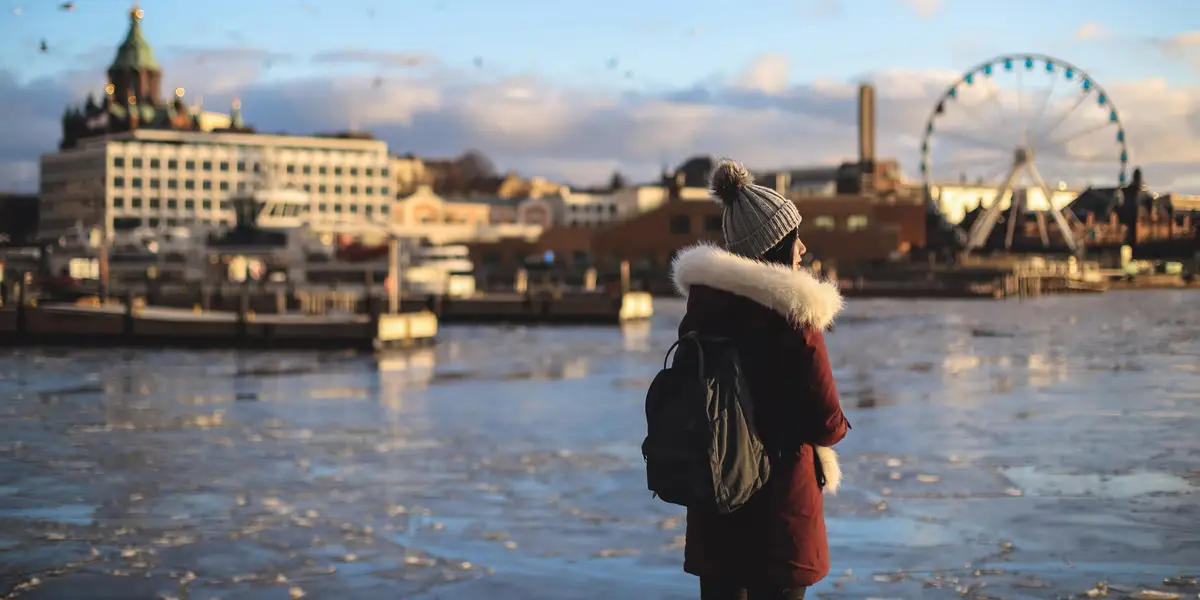
Finland is known for its clean environment, high-quality education, low crime rates, and world-class work-life balance. But if you are new to the country, understanding how daily life works may feel overwhelming. This beginner-friendly guide will help you understand the essentials of living in Finland, from housing and transportation to healthcare, culture, and cost of living. Whether you are moving for work, study, or a fresh start, this guide covers everything you need to know.
1. Understanding Life in Finland as a Foreigner
Finland is a highly organized, practical, and peaceful country. Most things here work smoothly, which makes it easier for newcomers to adapt. English is widely spoken in cities like Helsinki, Espoo, Tampere, and Turku, so you can manage daily life with English during your first months. However, learning basic Finnish later will make your life much easier, especially for jobs and paperwork.
The Finnish lifestyle is calm, private, and respectful. People value equality, punctuality, and honesty. This can feel different at first, but once you adjust, Finland becomes one of the most comfortable places to live.
2. Cost of Living in Finland: What to Expect
Finland is not the cheapest country in Europe, but salaries, services, and benefits match the cost. Here is a quick overview:
- Rent: €500–€1,200 depending on the area
- Groceries: €200–€350 per month
- Transport card: €30–€70 per month
- Mobile + Internet: €15–€25 per month
- Eating out: €10–€15 for cheap meals
Helsinki is the most expensive, while cities like Oulu, Lappeenranta, and Jyväskylä are more affordable.
Planning a budget before moving helps you settle smoothly.
3. Renting a Home in Finland
Finding an apartment in Finland can be competitive, especially in bigger cities. Most newcomers choose:
- HOAS (students)
- Private rentals (via Oikotie, Vuokraovi, Facebook groups)
- City-owned apartments
Apartments are usually clean, well-maintained, and safe. Many buildings have shared laundry rooms, saunas, and bike storage.
Tip: Always prepare your documents early — ID, income proof, residence permit, and references if possible.
4. Transportation: Getting Around Easily
Finland has one of the best public transportation systems in Europe. Trams, buses, metros, and trains are reliable and easy to use.
- In Helsinki: HSL card is essential
- Between cities: VR trains are comfortable and fast
- For short distances: cycling is extremely popular
Most newcomers do not need a car unless living in remote areas.
5. Working in Finland as a Newcomer
Finland offers opportunities in IT, engineering, healthcare, logistics, hospitality, and seasonal work. To work legally, you usually need:
- A residence permit
- A Finnish-style CV (short, clear, skills-focused)
- Basic English or Finnish skills depending on the job
Finnish workplaces value teamwork, equality, and work-life balance. Overtime is rare, and employees get strong protections.
6. Studying in Finland: A Popular Choice
Finland attracts thousands of international students every year. Universities offer English-taught bachelor’s and master’s programs, and the education quality is excellent.
Students benefit from:
- Affordable meals
- Student housing
- Discounted transportation
- High-quality libraries and labs
A student residence permit requires proof of income, health insurance, and admission from a Finnish institution.
7. Healthcare and Insurance in Finland
Finland has a strong public healthcare system. New residents can access KELA, which provides health benefits and reduced medical costs. Many newcomers start with private insurance until they become eligible for KELA.
Pharmacies (apteekki) are easy to find, and English-speaking doctors are common in major cities.
8. Finnish Culture: What to Know as a Beginner
Finnish people may seem quiet at first, but they are friendly once you get to know them. Key cultural points:
- Privacy is respected
- Silence is normal
- People are honest and direct
- Queuing is strict and orderly
- Winter is long, but locals enjoy it
Saunas are a big part of Finnish culture — almost every apartment building has one.
9. Winter in Finland: How to Prepare
Finnish winters can be dark and cold, especially from December to February. To stay comfortable:
- Wear layered clothing
- Invest in a good winter jacket
- Buy waterproof shoes
- Use vitamin D
- Stay active and social
Once you adapt, winter becomes an enjoyable part of Finnish life.
10. Final Thoughts: Starting Your Life in Finland
Life in Finland is peaceful, organized, and full of opportunities. With the right information, your transition becomes much easier. Whether you plan to work, study, or settle long-term, Finland offers a safe and supportive environment. Explore more guides on this site to prepare for every step of your move.
Frequently Asked Questions (FAQ)
1. Is Finland good for foreigners?
Yes, Finland is one of the safest and most welcoming countries for international residents.
2. Do people speak English?
Yes, most Finns speak excellent English.
3. Is Finland expensive?
It can be, but salaries and services balance the cost.
4. Can I find a job without Finnish?
Yes, especially in IT, healthcare, hospitality, and international companies.